Introduction
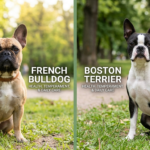
Brachycephalic Care for Pugs & Bulldogs becomes especially critical once summer temperatures rise, since flat-faced breeds are far more vulnerable to heatstroke and breathing distress than typical dogs. This guide to Brachycephalic Care for Pugs & Bulldogs explains exactly why these breeds struggle to regulate body temperature, what warning signs demand immediate action, and how to build a summer routine that keeps them safe without restricting their quality of life. Whether you own a Pug, an English Bulldog, a French Bulldog, or another flat-faced breed, this Brachycephalic Care for Pugs & Bulldogs guide covers the essentials every owner needs before hot weather arrives.
Why Flat-Faced Breeds Struggle With Heat
Dogs cool themselves primarily through panting, moving air across the tongue and airway to release heat. This is exactly where Brachycephalic Care for Pugs & Bulldogs becomes non-negotiable, because their shortened skull, narrowed nostrils, and elongated soft palate physically restrict how much air they can move. A condition called Brachycephalic Obstructive Airway Syndrome (BOAS) means these breeds are working harder just to breathe normally, let alone cool down during physical activity or hot weather. What would be a mild warm afternoon for most dogs can become a genuine medical emergency for a Pug or Bulldog within minutes.
Recognizing Heatstroke Warning Signs
A core part of responsible Brachycephalic Care for Pugs & Bulldogs is knowing the early signs of overheating before they escalate into an emergency.
Early warning signs:
- Heavy, labored panting that doesn’t ease with rest
- Bright red or purple-tinged gums and tongue
- Excessive drooling
- Restlessness or seeking out shade and cool surfaces
Advanced warning signs requiring immediate veterinary care:
- Collapse or extreme weakness
- Vomiting or diarrhea
- Uncoordinated movement or disorientation
- Blue or gray-tinged gums, indicating oxygen deprivation
Because brachycephalic breeds can go from mild distress to full heatstroke far faster than other dogs, any of the advanced signs should prompt an emergency vet visit immediately rather than a wait-and-see approach at home.
Summer Heat Prevention Strategies
Prevention is the most effective tool in Brachycephalic Care for Pugs & Bulldogs, since these breeds have so little margin for error once overheating begins.
Timing and environment:
- Exercise only during the coolest parts of the day — early morning or after sunset — and avoid outdoor activity entirely once temperatures climb above roughly 80°F (27°C)
- Never leave a Pug or Bulldog in a parked car, even briefly or with windows cracked, since interior temperatures rise dangerously fast
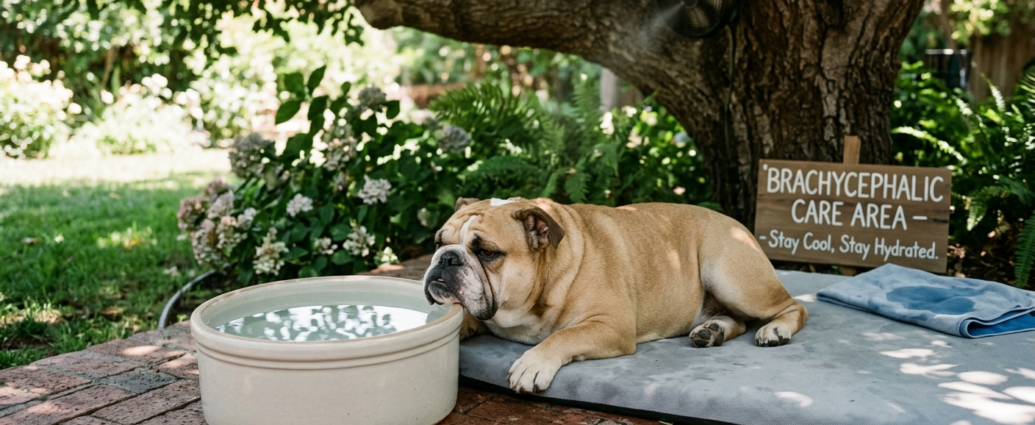
- Provide constant access to shade and cool, fresh water whenever outdoors
- Use cooling mats, damp towels, or a fan indoors during particularly hot stretches
Exercise adjustments:
- Keep walks short and slow, watching closely for early panting or fatigue rather than pushing through a set distance
- Swap physical exercise for mentally engaging indoor activities (puzzle toys, scent games) on extremely hot days
- Use a harness instead of a neck collar, since collar pressure can further restrict an already narrowed airway
Weight and airway management:
- Keep body weight lean, since excess weight significantly worsens airway restriction and heat intolerance
- Discuss surgical options with your vet if your dog shows chronic breathing difficulty even at rest — procedures like soft palate resection or nostril widening can meaningfully improve airflow and heat tolerance
- Avoid high-humidity conditions specifically, since humidity reduces the cooling efficiency of panting even more than dry heat alone
Everyday Breathing Care Beyond Summer
While summer heat brings the most urgent risks, Brachycephalic Care for Pugs & Bulldogs is a year-round commitment, since airway limitations don’t disappear once temperatures drop.
Daily breathing-conscious habits:
- Avoid strenuous play or exercise immediately after meals, which can worsen breathing difficulty
- Keep stress low during vet visits, grooming, or travel, since anxiety and excitement both increase respiratory demand
- Monitor snoring and breathing sounds during sleep, and mention any noticeable changes to your veterinarian
- Maintain a calm environment during car travel, using air conditioning rather than open windows to keep the cabin cool without added humidity or wind resistance
Building a Complete Summer Safety Routine
Bringing every piece of Brachycephalic Care for Pugs & Bulldogs together, a realistic summer routine includes scheduling outdoor time for early morning or evening, carrying water on every outing, watching closely for the earliest signs of labored breathing, and having a plan (and your vet’s emergency number) ready in case symptoms escalate quickly. Because these breeds can deteriorate faster than typical dogs, preparation matters more than reaction.
Final Thoughts
Pugs and Bulldogs bring enormous charm and companionship, but their flattened facial structure means they need a level of heat and breathing awareness that other breeds simply don’t require. Prioritizing Brachycephalic Care for Pugs & Bulldogs recognizing early heatstroke signs, adjusting exercise timing, managing weight, and staying alert to breathing changes year-round gives owners the best chance of keeping their dogs safe and comfortable through even the hottest months.