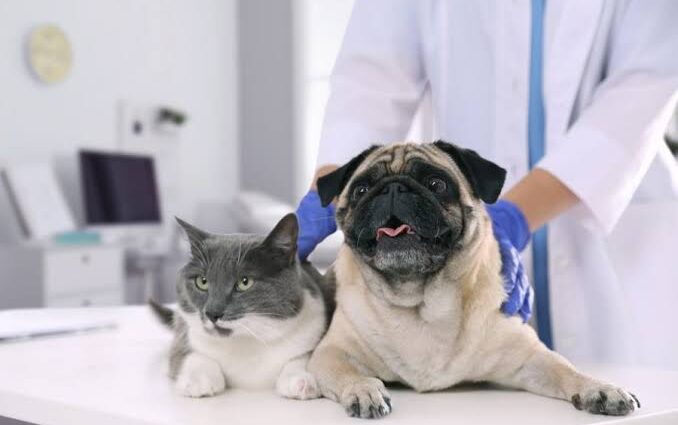
As our pets enter their golden years, their physiological needs undergo significant transformations. The transition into seniority brings subtle shifts in energy, metabolic efficiency, joint structure, and organ functionality. To ensure aging dogs and cats maintain a high quality of life, owners must shift from general adult pet maintenance to targeted, proactive senior pet vet care.
Navigating senior pet vet care requires understanding the biological aging process, implementing specialized vet care for senior dogs, and maintaining a strict routine vet care schedule for older cats. With the right clinical support and home management, aging companions can enjoy optimal comfort, mobility, and longevity.
Understanding the Aging Process in Dogs and Cats
A common misconception among pet owners is treating human-to-pet aging ratios as a static seven-to-one conversion. In reality, biological aging depends heavily on species, breed size, and baseline genetics.
- Dogs: Small breeds (under 20 lbs) are typically considered seniors around 9–10 years of age, whereas giant breeds (over 90 lbs) enter their senior stage as early as 5–6 years.
- Cats: Feline aging is generally more uniform across domestic breeds. Cats enter their senior phase between 11 and 14 years, advancing to the super-senior (or geriatric) stage at 15 years and older.
Because pets naturally mask pain and physical discomfort—an evolutionary survival mechanism inherited from wild ancestors—age-related diseases often progress quietly. Regular diagnostic screening through dedicated senior pet vet care becomes a vital tool for detecting asymptomatic organ decline, joint wear, and endocrine imbalances before they escalate into clinical crises.
Specialized Vet Care for Senior Dogs
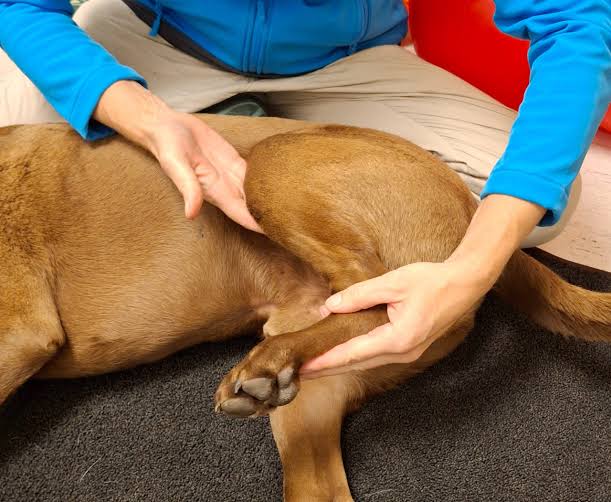
As dogs age, their structural, metabolic, and systemic demands change. Implementing specialized vet care for senior dogs allows veterinarians to address interconnected health areas before they diminish your dog’s day-to-day comfort.
Core Focus Areas for Senior Canine Healthcare
- Mobility & Osteoarthritis: Targeted analgesia, joint supplements, and laser or hydrotherapy.
- Cardiac & Renal Health: Early blood biomarkers (SDMA), blood pressure checks, and chest radiographs.
- Cognitive Function: Dietary medium-chain triglycerides (MCTs), neuro-protective supplements, and behavioral enrichment.
1. Advanced Mobility and Osteoarthritis Management
Osteoarthritis affects millions of aging dogs. Slowing down, hesitation on stairs, and difficulty rising from a resting position are frequently misattributed to simple old age when they are actually direct indicators of chronic joint pain.
Modern specialized vet care for senior dogs emphasizes a multi-modal approach to joint health:
- Targeted Analgesia: Non-steroidal anti-inflammatory drugs (NSAIDs) prescribed under strict medical supervision to control baseline joint inflammation.
- Biologics and Monoclonal Antibodies: Injections targeting Nerve Growth Factor (NGF) to neutralize joint pain signals directly without straining liver or kidney pathways.
- Chondroprotectants: Prescription-grade omega-3 fatty acids, glucosamine, and chondroitin to support remaining articular cartilage.
- Rehabilitation Therapies: Hydrotherapy (underwater treadmills) and low-level laser therapy to preserve muscle mass while minimizing joint impact.
2. Cardiac and Renal Monitoring
Degenerative Mitral Valve Disease (DMVD) in smaller dog breeds and Dilated Cardiomyopathy (DCM) in larger breeds increase significantly with age. Specialized vet care for senior dogs includes cardiac auscultation during physicals, baseline chest radiographs, and blood biomarker testing (such as NT-proBNP) to detect early heart enlargement.
Concurrently, screening canine renal function through routine blood chemistry and symmetric dimethylarginine (SDMA) biomarkers allows veterinarians to identify early-stage chronic kidney dysfunction months before physical symptoms manifest.
3. Canine Cognitive Dysfunction (CCD)
Similar to dementia in humans, CCD causes progressive neurodegeneration. Signs include disorientation, altered sleep-wake cycles, vocalization at night, and loss of house training. Comprehensive specialized vet care for senior dogs incorporates dietary modification enriched with medium-chain triglycerides (MCTs), antioxidants, and targeted neuro-protective medications to slow cognitive decline.
Establishing a Routine Vet Care Schedule for Older Cats
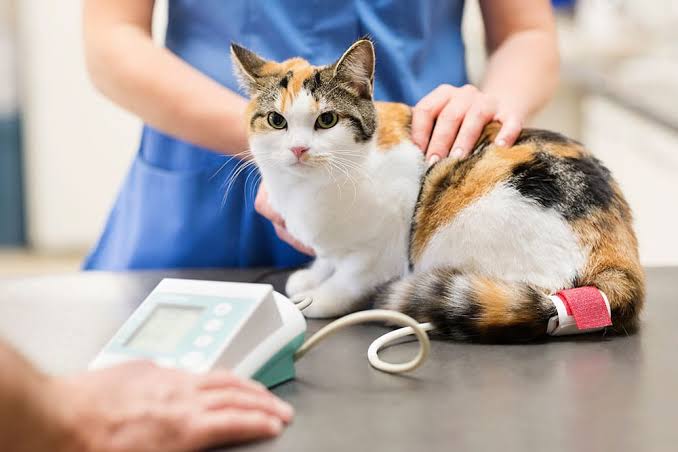
Cats are masters of hiding illness. An aging cat experiencing chronic pain or organ stress will rarely vocalize; instead, they may simply sleep slightly more or adjust their jumping habits. Establishing a consistent routine vet care schedule for older cats is the most reliable way to catch feline conditions early.
Feline Senior Care Frequency Matrix
| Visit Frequency | Recommended Age Group | Core Diagnostic Focus |
| Every 6 Months (Semi-Annual) | Senior Cats (Ages 11–14) | Physical exam, weight trend analysis, blood pressure, renal blood panel, screening urinalysis. |
| Every 3–4 Months | Super-Senior Cats (Ages 15+) | Comprehensive blood chemistry, SDMA, T4 thyroid assay, mobility assessment, hydration evaluation. |
Essential Tests in a Feline Care Schedule
Following a strict routine vet care schedule for older cats ensures that your veterinarian runs appropriate diagnostic panels at key intervals:
- Complete Blood Count (CBC) and Biochemistry Panel: Evaluates liver enzyme trends, blood glucose, red blood cell counts, and protein levels.
- Early Renal Diagnostics (SDMA & Urinalysis): Chronic Kidney Disease (CKD) is a leading cause of illness in senior cats. Combining SDMA blood panels with urine specific gravity testing detects kidney decline far earlier than traditional serum creatinine measurements alone.
- Total T4 Thyroid Screening: Feline hyperthyroidism (an overactive thyroid gland) causes rapid weight loss despite an increased appetite, high heart rates, and eventual systemic stress. Regular T4 blood assays in a routine vet care schedule for older cats allow for immediate dietary or medical stabilization.
- Doppler Blood Pressure Measurement: Systemic hypertension is common in senior cats with underlying renal disease or thyroid imbalances. Regular blood pressure screenings prevent sudden complications like retinal detachment.
- Senior Feline Dental Evaluations: Periodontal disease and Feline Resorptive Lesions (FORLs) cause significant hidden pain. Professional dental assessments under low-risk anesthesia protocols are crucial for maintaining systemic health.
Environmental and Nutritional Adaptations at Home
Effective senior pet vet care extends beyond the veterinary clinic. Clinical visits must be paired with thoughtful home environment adjustments to accommodate an aging pet’s changing physical capabilities.
Canine Home Adjustments
- Traction Support: Place non-slip yoga mats or rug runners across slick wood or tile floors to prevent slipping and joint strain.
- Orthopedic Bedding: Provide high-density memory foam beds to relieve pressure on bony prominences and arthritic joints.
- Elevated Stations: Raise food and water bowls slightly to reduce neck and elbow flexion during feeding.
Feline Home Adjustments
- Low-Entry Litter Boxes: Replace high-walled litter boxes with shallow containers so cats with lower back or hip arthritis can enter comfortably.
- Vertical Accessibility: Provide pet stairs or ramps near favorite perches, window sills, and beds so senior cats do not have to jump from high surfaces.
- Hydration Stations: Senior cats are prone to chronic dehydration. Placing multiple wide-rimmed water fountains throughout the home encourages frequent drinking and supports renal health.
Proactive Prevention for Lasting Quality of Life
Advancements in veterinary diagnostics and therapeutics make aging a manageable stage of life rather than an immediate health crisis. Comprehensive senior pet vet care combines specialized vet care for senior dogs—focused on joint health, cardiac monitoring, and cognitive support—with a disciplined routine vet care schedule for older cats.
By monitoring baseline diagnostic trends, adjusting home environments, and working closely with your veterinarian, you can catch age-related conditions early. Prioritizing ongoing senior pet vet care ensures your dog or cat enjoys their golden years with maximum comfort, dignity, and vitality.