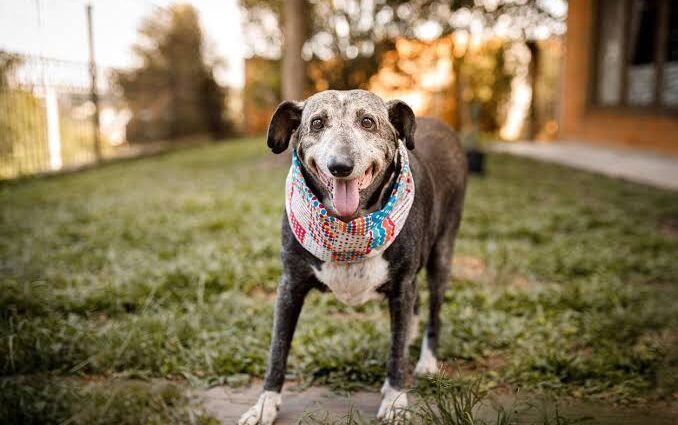
Watching your aging companion grow old brings many subtle changes, but noticing an older dog trembling in hind legs when standing can be deeply concerning. You might see their back legs shaking while they wait for their food bowl, rise from a nap, or pause during short walks.
An older dog trembling in hind legs when standing is a clear indicator that their neuromuscular or musculoskeletal system requires extra support. Understanding the root cause allows you to manage discomfort and preserve your dog’s mobility.
Primary Causes of Rear Leg Tremors in Senior Dogs
When an older dog trembling in hind legs when standing becomes a recurring pattern, veterinarians evaluate four main medical conditions.
| Condition | Underlying Cause | Key Accompanying Symptoms |
| Osteoarthritis | Breakdown of joint cartilage over time | Stiffness in morning, difficulty rising, reluctant to use stairs |
| Sarcopenia (Muscle Loss) | Age-related loss of muscle mass | Visible thinning of thigh muscles, swaying while standing |
| Degenerative Myelopathy (DM) | Progressive spinal cord disease | Dragging back toes, knuckling paws, loss of coordination |
| Electrolyte / Neurological Issues | Kidney dysfunction, nerve compression | Generalized weakness, tremors that persist while lying down |
1. Canine Osteoarthritis and Joint Degeneration
Arguably the most frequent trigger for an older dog trembling in hind legs when standing is joint inflammation. When cartilage wears down, bones rub together, causing pain. To compensate, muscles work twice as hard to stabilize the body, leading to rapid muscle fatigue and visible dog hind leg tremors. Recognizing canine joint pain symptoms early helps slow progression.
2. Age-Related Muscle Atrophy
As dogs reach senior years, protein synthesis decreases, leading to senior dog leg weakness. Without strong thigh and hip muscles to support their body weight, static standing causes muscular quivering.
3. Spinal Cord and Nerve Conditions
Conditions like Degenerative Lumbosacral Stenosis (DLSS) or herniated discs compress nerves supplying the back legs. Disruptions in nerve signaling manifest as an older dog trembling in hind legs when standing.
Supporting an Older Dog with Hind Leg Tremors
While aging cannot be stopped, proactive management significantly reduces pain and restores confidence.
Implement Home Modifications
- Non-Slip Flooring: Place yoga mats or rubber runners across hardwood and tile floors to prevent slipping and reduce muscle strain when standing.
- Orthopedic Bedding: Provide high-density memory foam beds to cushion aching joints during rest.
- Support Harnesses: Use a rear-lifting harness (like a HelpEmUp harness) to assist your dog when rising or climbing stairs.
Targeted Supplements and Therapies
To combat senior dog leg weakness and ease canine joint pain symptoms:
- Omega-3 Fatty Acids (Fish Oil): Reduces inflammatory joint markers.
- Glucosamine & Chondroitin: Supports remaining cartilage health.
- Adequan Injections or NSAIDs: Prescribed by veterinarians to manage chronic joint pain.
- Physical Therapy & Hydrotherapy: Low-impact underwater treadmill sessions build muscle mass without stressing stiff joints, effectively reducing dog hind leg tremors.
Summary
If you observe an older dog trembling in hind legs when standing, do not dismiss it as merely “getting old.” Schedule a comprehensive veterinary exam to identify whether pain, muscle loss, or nerve issues are responsible. With proper pain management, joint supplements, and home adaptations, your senior dog can enjoy comfortable, stable mobility throughout their golden years.


1 Comment