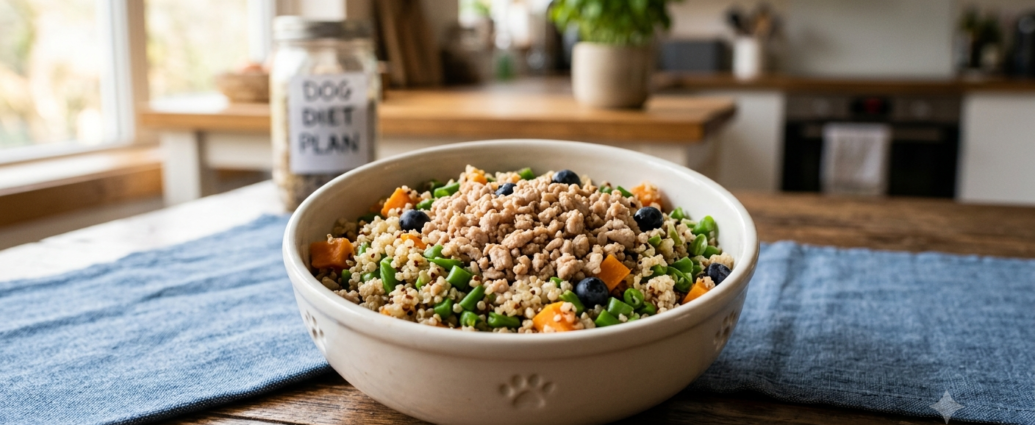
Choosing the right dog diet is one of the most important decisions a pet owner will make. What you put in your dog’s bowl every day affects their energy, weight, digestion, coat, and even their lifespan. With so many options — kibble, wet food, raw, homemade — figuring out the best fit for your particular dog can feel confusing. This guide breaks down everything you need to know about building a diet that keeps your companion healthy at every stage of life.
What Is a Healthy Dog Diet?
A healthy dog diet provides the right mix of protein, fat, carbohydrates, vitamins, and minerals in proportions suited to your dog’s age, size, and activity level. Unlike a one-time meal plan, it’s something you revisit and adjust over your dog’s lifetime — puppies, adults, and seniors all have different needs. The goal of any feeding plan should be to maintain a healthy body weight, support strong muscles and joints, and provide steady energy throughout the day.
Building a Balanced Diet for Dogs
Creating a balanced diet for dogs starts with understanding the core nutrient groups:
- Protein for muscle maintenance and repair
- Fat for energy and healthy skin and coat
- Carbohydrates for fiber and sustained energy
- Vitamins and minerals for immune function and bone health
- Water to support digestion and every bodily function
Most commercial dog foods labeled “complete and balanced” are formulated to meet these needs automatically. If you’re preparing homemade meals, however, it’s essential to work with a veterinary nutritionist to make sure your dog is truly getting balanced nutrition for their size and life stage — deficiencies or excesses in homemade meals are common and can cause long-term health problems.
How Much Should You Feed? Understanding Portion Control
Portion size is a critical part of feeding your dog well, yet it’s one of the most commonly overlooked factors. Overfeeding is a leading cause of canine obesity, which increases the risk of joint problems, diabetes, and heart disease. When planning how much to feed:
- Follow the feeding guidelines on your dog food packaging as a starting point, not a strict rule.
- Adjust portions based on your dog’s weight, body condition, and activity level.
- Use a measuring cup or kitchen scale rather than eyeballing portions.
- Factor treats into your dog’s total daily calorie intake.
- Recheck your dog’s weight and body condition every few weeks and adjust the diet accordingly.
As a rough starting point, a healthy adult dog typically needs about 25–30 calories per pound of body weight each day, though this varies with breed, metabolism, and activity level. A working or highly active dog may need noticeably more, while a senior or less active dog usually needs less. Your veterinarian can help you calculate a more precise number for your individual dog.
Dog Diet by Life Stage
A dog’s nutritional needs change significantly as they age:
Puppies
Puppies need a diet that’s higher in calories, protein, and fat to fuel rapid growth and development. Puppy-specific formulas are designed with this in mind.
Adult Dogs
Adult dogs generally need a maintenance plan that supports steady energy without excess calories, especially for less active dogs.
Senior Dogs
Older dogs often benefit from a diet lower in calories but still rich in high-quality protein, along with added joint-supporting nutrients like glucosamine and chondroitin.
Special Dog Diets
Some dogs require specialized feeding due to health conditions or owner preference:
- Grain-free diets – suited for dogs with specific grain sensitivities, though most dogs digest grains well.
- Raw diets – some owners choose raw feeding, but this requires careful planning to avoid nutritional gaps and food safety risks.
- Prescription diets – recommended by veterinarians for dogs with kidney disease, allergies, digestive disorders, or weight management needs.
Always consult your veterinarian before switching to a specialized diet, since some approaches carry real nutritional risks if not properly balanced.
Common Dog Diet Mistakes
- Free-feeding instead of scheduled meals, which makes portion control difficult
- Frequent food switching, which can upset digestion
- Too many treats, unbalancing an otherwise good feeding plan
- Feeding human food that may be unsafe, like chocolate, onions, or grapes
- Ignoring life-stage needs, such as feeding puppy food to a senior dog
Avoiding these mistakes helps keep your dog’s diet consistent and genuinely supportive of their health.
How to Transition Your Dog to New Food Safely
Switching your dog from one diet to another — for health reasons, preference, or a new life stage — should always be gradual. A sudden change can trigger vomiting, diarrhea, or loss of appetite. Over 7 to 10 days, mix increasing amounts of the new food with decreasing amounts of the old:
- Days 1–3: 75% old food, 25% new food
- Days 4–6: 50% old food, 50% new food
- Days 7–9: 25% old food, 75% new food
- Day 10: 100% new food
If your dog shows ongoing digestive upset during the switch, slow the transition down or check in with your veterinarian.
Signs Your Dog’s Diet Needs Adjusting
Keep an eye out for these signals that your current feeding plan may not be working:
- Noticeable weight gain or loss
- Low energy or reluctance to exercise
- Digestive issues like vomiting or loose stools
- Dull coat or excessive shedding
- Frequent scratching or skin irritation
If you spot any of these signs, it may be time to revisit your dog’s diet with your veterinarian’s guidance and consider whether a more balanced diet for dogs of their specific needs is in order.
Final Thoughts on Choosing the Right Dog Diet
There’s no single perfect formula that works for every dog — the right choice depends on age, breed, size, health status, and activity level. By focusing on balanced nutrition, proper portion control, and regular check-ins with your veterinarian, you can build a feeding plan that keeps your companion healthy, energetic, and thriving for years to come.