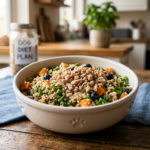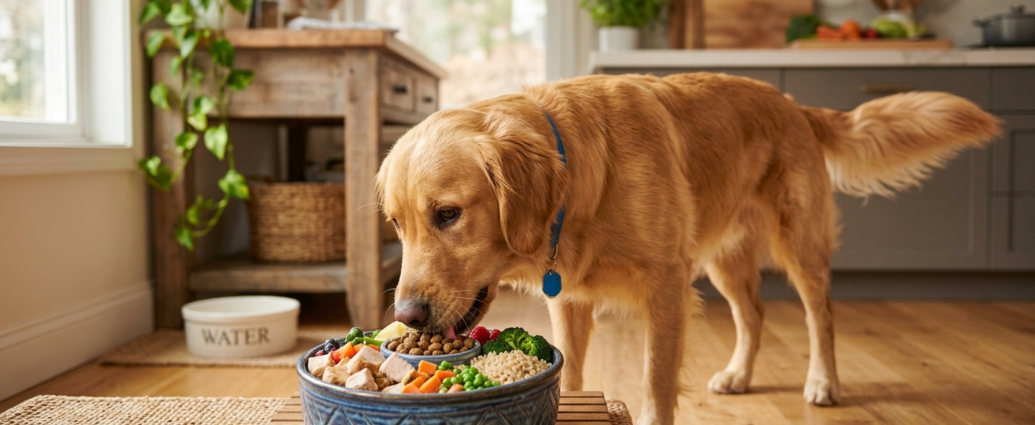
Every dog owner wants their furry companion to live a long, active, and happy life, and that begins with understanding dog nutrition. It isn’t just about filling a bowl with food twice a day — it’s about giving your dog the right balance of nutrients to support growth, energy, immunity, and long-term health. Whether you have a playful puppy, an active adult dog, or a senior companion slowing down, good feeding habits play a central role in how well they feel and function every single day.
In this guide, we’ll break down the essential nutrients for dogs that every meal should include, how to choose the right food, and the common mistakes pet parents make when feeding their dogs.
Why Dog Nutrition Matters
Proper feeding directly affects nearly every system in your dog’s body — from their coat and skin to their digestion, joints, and immune system. Dogs that receive proper nutrition tend to have more energy, stronger immune defenses, a healthier weight, and fewer vet visits for diet-related issues. On the other hand, poor nutrition can lead to obesity, allergies, digestive problems, and a shortened lifespan.
Just like humans, dogs have unique nutritional needs that change with age, breed, size, and activity level. A growing puppy needs more calories and protein per pound of body weight than a senior dog, while a working or highly active dog needs more energy-dense food than a couch companion. Understanding these differences is the first step toward feeding them right.
Essential Nutrients for Dogs
To build a diet that truly supports your dog’s health, it helps to understand the essential nutrients for dogs and the role each one plays.
Protein
Protein is the building block of muscles, skin, coat, and connective tissue. High-quality animal proteins like chicken, beef, fish, and lamb provide the amino acids dogs need for repair and growth. Puppies and active dogs generally need higher protein levels than sedentary adult dogs.
Fats
Fats are a concentrated source of energy and help your dog absorb fat-soluble vitamins. Omega-3 and omega-6 fatty acids, found in fish oil and flaxseed, support skin health, a shiny coat, and reduced inflammation. Fat should still be fed in moderation, since it’s calorie-dense.
Carbohydrates
While dogs don’t strictly require carbohydrates the way they require protein and fat, healthy carbs like sweet potatoes, brown rice, and oats provide fiber and sustained energy. Fiber also supports healthy digestion and stool quality.
Vitamins and Minerals
Vitamins A, D, E, and K, along with minerals like calcium, phosphorus, and zinc, support bone health, vision, and metabolic function. These nutrients are usually already balanced in commercial dog foods labeled “complete and balanced,” but homemade diets need careful formulation to avoid deficiencies.
Water
Often overlooked, water is one of the most important elements of dog nutrition. Dehydration can affect digestion, kidney function, and energy levels, so fresh water should always be available.
How to Choose Food That Supports Good Dog Nutrition
With so many dog food options on the market, choosing the right one for your dog’s nutrition can feel overwhelming. Here are a few tips:
- Check the label for a statement confirming the food meets AAFCO (or your country’s equivalent) nutritional standards for your dog’s life stage.
- Match the food to your dog’s life stage — puppy, adult, or senior formulas are designed differently.
- Look for named protein sources (like “chicken” rather than vague “meat by-products”) near the top of the ingredient list.
- Consider your dog’s breed and size, since large and small breeds have different caloric and joint-support needs.
- Consult your veterinarian, especially if your dog has allergies, sensitivities, or a medical condition that affects digestion.
This isn’t one-size-fits-all, and what works for one dog may not work for another.
Common Dog Nutrition Mistakes to Avoid
Even well-meaning owners can make mistakes that undermine a good feeding routine:
- Overfeeding treats — treats should make up no more than 10% of daily calories.
- Feeding table scraps — human food can be high in salt and fat, or contain ingredients toxic to dogs, like onions, garlic, and grapes.
- Switching foods too quickly — sudden diet changes can cause digestive upset; transition over 7–10 days.
- Ignoring portion control — free-feeding often leads to obesity, one of the most common nutrition-related problems in dogs today.
- Skipping veterinary guidance — every dog’s nutritional needs are different, and a vet can help tailor a feeding plan.
How to Switch Your Dog’s Food Safely
If you’re changing your dog’s food — for health reasons, availability, or simply upgrading quality — do it gradually. A sudden switch can upset your dog’s stomach and lead to vomiting or diarrhea. Over 7 to 10 days, gradually mix increasing amounts of the new food with decreasing amounts of the old:
- Days 1–3: 75% old food, 25% new food
- Days 4–6: 50% old food, 50% new food
- Days 7–9: 25% old food, 75% new food
- Day 10: 100% new food
Watch your dog closely during the transition for signs of an upset stomach, and slow the process down if needed — every dog adjusts at a different pace.
Signs Your Dog May Not Be Getting Proper Nutrition
Watch for these warning signs that your dog’s diet may need adjustment:
- Dull, dry, or flaky coat
- Low energy or lethargy
- Frequent digestive upset
- Unexplained weight gain or loss
- Brittle nails or excessive shedding
If you notice these signs, it’s worth reviewing your dog’s food with a veterinarian to identify any gaps in essential nutrients for dogs and adjust the plan accordingly.
Final Thoughts on Dog Nutrition
At its core, dog nutrition is about giving your dog the right balance of protein, fat, carbohydrates, vitamins, minerals, and water to match their life stage and lifestyle. Investing time in getting this right today can mean a longer, healthier, and happier life for your companion tomorrow. When in doubt, talk to your veterinarian — they can help you build a plan tailored specifically to your dog’s needs.