The Importance of Cat Emergency and Safety Readiness
Mastering cat emergency and safety basics is vital for every feline caregiver. Cats are notoriously adept at hiding illness and pain due to their evolutionary survival instincts. By the time a cat exhibits obvious distress, an underlying health problem may already have progressed to a critical state. Knowing how to recognize subtle warning signs and responding promptly during a cat emergency and safety situation enables you to protect your feline friend when every second counts.
Recognizing Feline Medical Emergencies
Because cats disguise their suffering, recognizing subtle physical and behavioral shifts is fundamental to cat emergency and safety. Immediate veterinary evaluation is required if your cat exhibits any of these symptoms:
- Urinary Blockage: Straining in the litter box, crying out while attempting to urinate, or producing no urine (especially common in male cats).
- Open-Mouth Breathing: Cats rarely pant; open-mouth breathing indicates severe respiratory distress or heart failure.
- Sudden Rear-Leg Paralysis: Often caused by an aortic thromboembolism (saddle thrombus), causing sudden severe pain and loss of leg function.
- Ingestion of Toxic Plants: Consuming any part of true lilies (such as Easter or daylilies) causes rapid kidney failure.
- Unresponsiveness or Extreme Lethargy: Inability to stand, disorientation, or lack of pupil response.
Immediate First Aid Protocols for Cats
Executing proper first aid techniques during a cat emergency and safety scenario stabilizes your pet while you arrange immediate medical transport.
Handling Poisoning or Toxicity
If you suspect your cat ingested a toxic substance, lily pollen, or household chemical, do not induce vomiting unless specifically instructed by a veterinarian. Many toxic substances cause severe chemical burns to the esophagus when vomited back up. Bring the packaging or plant sample directly to the clinic.
Treating Wounds and Burns
Cats often suffer bite wounds from fights or thermal burns from kitchen surfaces. For minor bleeding, apply soft, direct pressure with sterile gauze. For thermal burns, flush the affected skin immediately with cool, running water for several minutes. Never apply petroleum jelly, human burn creams, or butter to a cat’s skin.
Managing Heatstroke
Hyperthermia can occur if a cat is trapped in a hot room or vehicle. Apply cool (not ice-cold) damp towels to their paws, groin, and neck area. Offer small amounts of drinking water without forcing it, and seek immediate emergency care.
Safe Emergency Cat Transport Strategies
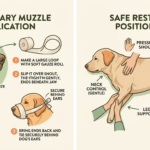
Handling an injured or sick cat requires caution. Cats in pain often scratch or bite defensively. Safe emergency cat transport minimizes stress and prevents further injury to both you and your pet.
When preparing for emergency cat transport, wrap your cat loosely in a thick towel or blanket to limit struggling and protect their limbs. Place them carefully into a hard-sided top-loading cat carrier. Secure the carrier firmly inside your vehicle using a seatbelt before driving to the animal hospital.
Essential Supplies for Your Feline First Aid Kit
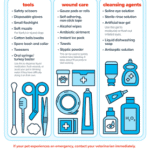
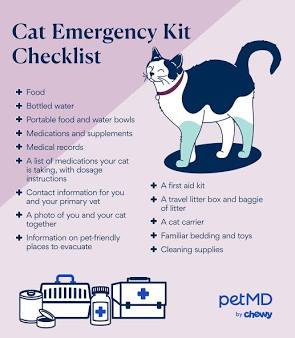
A standard household medical kit lacks specialized supplies tailored for cats. You should build a custom feline first aid kit containing:
- A soft towel or blanket for restraint and warmth.
- Sterile saline solution for flushing eyes or shallow wounds.
- Digital rectal thermometer (normal feline temp: 100.5°F to 102.5°F).
- Non-stick bandages, medical tape, and blunt scissors.
- A complete, stocked feline first aid kit stored in a waterproof bag.
Long-Term Safety and Risk Reduction
Proactive environmental control reduces the risk of a cat emergency and safety crisis. Eliminate toxic houseplants from your home, install secure window screens to prevent high-rise falls, and keep small objects like rubber bands, string, and hair ties safely stored away. Taking these preventive steps ensures a secure environment for your cat to thrive safely.