Understanding Dog Emergency and Safety Protocols
As a dog owner, understanding basic dog emergency and safety procedures can mean the difference between life and death during an unexpected crisis. Dogs are curious creatures that naturally explore their environments using their noses and mouths. This playful behavior frequently exposes them to hidden hazards like swallowed objects, toxic plants, or sudden physical injuries. When disaster strikes, panic is your worst enemy. Having a clear plan for dog emergency and safety ensures that you can react swiftly, calmly, and effectively while seeking immediate professional veterinary care.
Identifying Common Canine Medical Emergencies
Not every health issue requires an urgent trip to the ER, but recognizing severe symptoms is critical for effective dog emergency and safety management. Seek immediate veterinary assistance if you notice any of the following warning signs:
- Difficulty Breathing: Uncharacteristic heavy panting, blue or pale gums, or gasping for air.
- Severe Trauma: Hits from vehicles, fall injuries, or deep puncture wounds.
- Bloat or Torsion: Unproductive retching, swollen abdomen, and extreme restlessness.
- Poison Ingestion: Sudden vomiting, seizures, muscle tremors, or collapse.
- Sudden Paralysis: Inability to use hind legs or extreme weakness.
Essential First Aid Procedures for Dogs
When faced with a dog emergency and safety situation at home, taking correct immediate action helps stabilize your pet before transport.
Addressing Choking
If your dog is choking on a toy or bone, carefully open their mouth to see if the object is visible. If you can clearly see the object, sweep it out with your finger. Do not push blindly into the throat, as this can force the object further down. If the airway remains blocked, perform abdominal thrusts by applying pressure just below the rib cage.
Administering Canine CPR
If your dog stops breathing and has no pulse, performing canine CPR can save their life. Lay your dog on their right side on a firm surface. For chest compressions, place your hands over the widest part of the chest for medium-to-large dogs, or directly over the heart for smaller breeds. Compress the chest at a rate of 100 to 120 compressions per minute, giving two rescue breaths into the nose for every 30 compressions. Continually monitor for breathing while maintaining canine CPR until you reach a clinic.
Managing Bleeding and Wounds
Apply firm, direct pressure to bleeding wounds using clean gauze or cloth. Hold steady pressure for at least three to five minutes without lifting the cloth to check the wound, as this disrupts blood clotting.
Building a Comprehensive Pet First Aid Kit
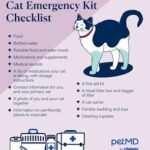
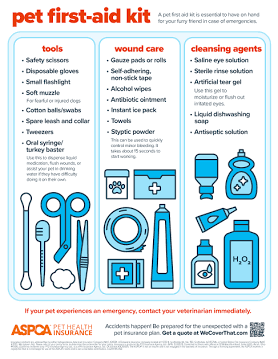
Every household should maintain a dedicated dog first aid kit kept in an easily accessible location. Essential items for your dog first aid kit include:
- Non-stick sterile gauze pads and self-adhesive bandages (Vet Wrap).
- Digital thermometer and water-based lubricant.
- Antiseptic wipes and saline eyewash.
- Blunt-ended safety scissors and tweezers.
- Muzzle (injured dogs may bite out of pain and fear).
Proactive Safety and Prevention Measures
Preventing accidents is the foundation of dog emergency and safety. Secure all household cleaning chemicals, human medications, and toxic foods like chocolate, raisins, and xylitol behind closed cabinet doors. Always keep your dog on a leash near busy roads, and inspect your yard regularly for hazardous plants or escape points. By pairing careful prevention with solid dog emergency and safety knowledge, you provide the best possible protection for your canine companion.