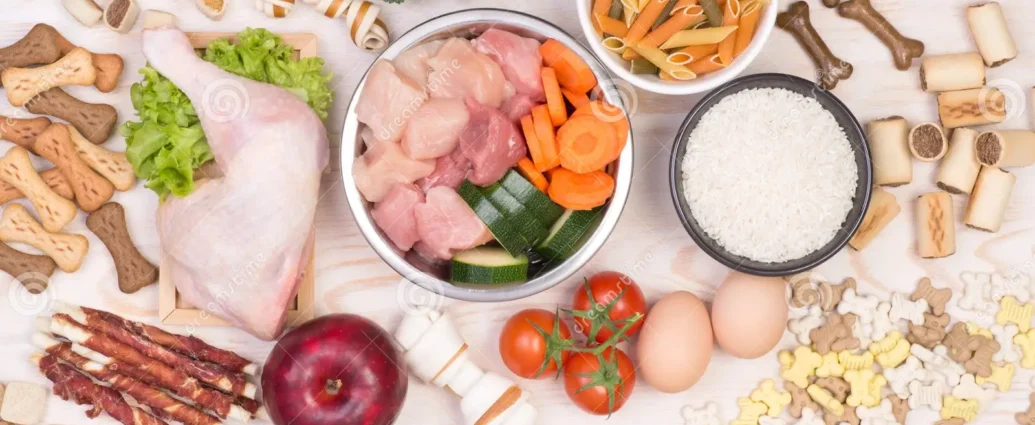
Choosing the right dog diet can feel overwhelming with so many options lining pet store shelves — kibble, wet food, raw diets, freeze-dried meals, and homemade recipes. But at its core, a good dog diet comes down to one thing: giving your dog the right balance of nutrients in the right amounts, consistently, over time.
This guide walks you through the different types of dog diets, how to build a balanced diet for dogs, portion control, and how to adjust feeding based on your dog’s age, size, and activity level.
What Makes Up a Healthy Dog Diet?
A healthy dog diet should include a mix of high-quality protein, healthy fats, digestible carbohydrates, and key vitamins and minerals. The exact ratio depends on your dog’s breed, age, weight, and activity level, but most dogs thrive on a diet where protein makes up the largest share of daily calories, followed by fats and then carbohydrates.
The goal of any dog diet isn’t just to fill your dog’s stomach — it’s to fuel their muscles, support their immune system, maintain a healthy weight, and keep their coat and skin in good condition.
Types of Dog Diets
There’s no single “best” dog diet for every dog, but here are the most common approaches pet owners choose from:
1. Commercial Dry Food (Kibble)
Convenient, affordable, and shelf-stable, kibble is the most widely used dog diet option. Look for formulas with real meat as the first ingredient and minimal fillers.
2. Wet or Canned Food
Higher in moisture content, wet food can be a good choice for dogs who need extra hydration or have dental issues that make chewing kibble difficult.
3. Raw Diet (BARF or Prey Model)
Some owners choose a raw dog diet consisting of raw meat, bones, and organs, mimicking what dogs would eat in the wild. This approach requires careful planning to avoid nutritional imbalances and food safety risks.
4. Homemade Diet
A homemade dog diet offers full control over ingredients but must be carefully formulated — ideally with input from a veterinary nutritionist — to avoid missing key nutrients.
5. Freeze-Dried or Dehydrated Food
These diets aim to combine the convenience of kibble with the nutritional benefits of raw feeding, using minimally processed ingredients.
How to Build a Balanced Diet for Dogs
Regardless of which feeding method you choose, the goal is always the same: a balanced diet for dogs that covers all essential nutritional needs. A balanced diet for dogs typically includes:
- 40–50% protein sources such as chicken, beef, turkey, or fish
- 20–30% healthy fats like fish oil or chicken fat for energy and coat health
- 20–30% carbohydrates and fiber from vegetables, rice, or oats
- A complete vitamin and mineral profile, either from whole foods or a quality commercial formula
If you’re unsure whether your dog’s current diet meets these standards, check the food label for an AAFCO nutritional adequacy statement, which confirms the food is formulated to meet a dog’s basic dietary needs.
Portion Sizes and Feeding Frequency
Even the best dog diet can cause weight problems if portions aren’t controlled properly. As a general guideline:
- Puppies typically need 3–4 small meals a day to support rapid growth.
- Adult dogs usually do well with 2 meals a day.
- Senior dogs may need smaller, more frequent meals to support digestion and metabolism.
Portion size should be based on your dog’s ideal body weight, activity level, and the calorie content of their specific food — not just the feeding chart on the bag, which is only a starting point.
Adjusting Dog Diet for Special Needs
Some dogs require an adjusted dog diet due to health conditions or life circumstances:
- Overweight dogs may need a calorie-controlled, high-fiber diet to support gradual weight loss.
- Dogs with allergies may benefit from limited-ingredient or novel-protein diets.
- Highly active or working dogs often need higher-calorie, higher-protein diets to support energy demands.
- Dogs with kidney or liver issues may require prescription diets formulated specifically for their condition.
Always consult your veterinarian before making significant changes to your dog’s diet, especially if they have an existing health condition.
Foods to Avoid in Any Dog Diet
No matter which type of dog diet you follow, certain foods should always be avoided, including:
- Chocolate and caffeine
- Grapes and raisins
- Onions and garlic
- Xylitol (a common sugar substitute)
- Cooked bones, which can splinter
- Excessive salt or fatty table scraps
Keeping these foods out of your dog’s diet reduces the risk of toxicity, digestive upset, and other serious health issues.
Signs Your Dog’s Diet Needs Adjusting
Your dog’s body often signals when their current diet isn’t working well. Watch for:
- Unexplained weight gain or loss
- Excessive gas or soft stools
- Itchy skin or frequent ear infections
- Low energy despite adequate sleep
- A dull or greasy coat
If you notice these signs, it may be time to revisit your dog’s diet with guidance from your veterinarian.
Frequently Asked Questions
How do I switch my dog to a new diet safely? Transition gradually over 7–10 days, mixing increasing amounts of the new food with the old food to avoid digestive upset.
Is a raw dog diet safe? It can be, but it requires careful planning to ensure nutritional balance and proper food handling to reduce bacterial contamination risks.
How much should I feed my dog each day? This depends on your dog’s weight, age, and activity level — your vet or the feeding guidelines on your dog food packaging are good starting points.
Final Thoughts
There’s no one-size-fits-all dog diet, but understanding the fundamentals — protein, fat, carbohydrates, portion control, and life-stage needs — makes it much easier to build a balanced diet for dogs that keeps your companion healthy and thriving. Whether you choose kibble, raw, or a homemade approach, consistency and quality ingredients matter most. When in doubt, your veterinarian remains the best resource for tailoring your dog’s diet to their unique needs.


1 Comment