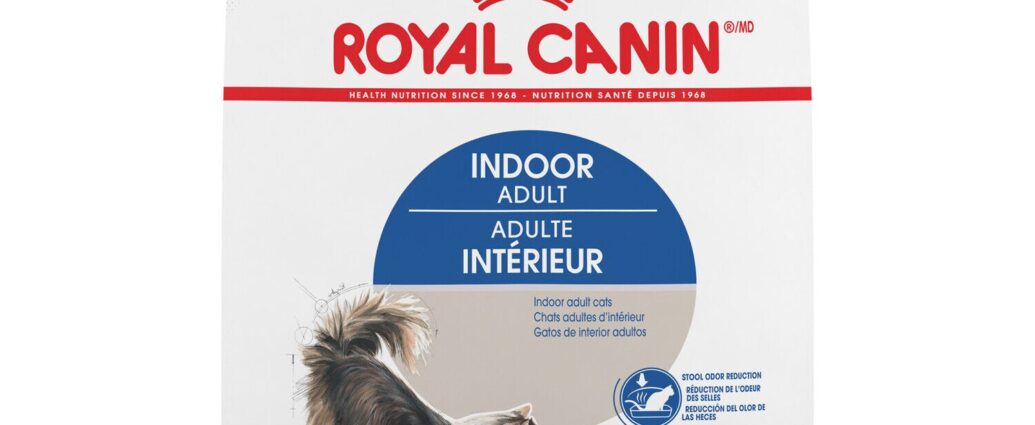
Indoor cats have a different set of problems than their outdoor counterparts — less exercise, more time spent grooming, and a tendency to pack on weight if their food isn’t calibrated for a lower-activity lifestyle. We tested Royal Canin Indoor cat food with two cats, a 4-year-old spayed female and a 6-year-old neutered male, both strictly indoor, over five weeks.
Why “Indoor” Formulas Are a Distinct Category
Royal Canin Indoor cat food is built around a lower calorie density than standard adult formulas, along with added fiber to help manage hairballs from the extra grooming indoor cats tend to do. It’s a genuinely different nutritional approach, not just a repackaged version of the standard adult line, which is worth knowing if you’ve been feeding a regular formula to a cat who never goes outside.
What We Noticed Over Five Weeks
Both cats took to the kibble quickly, which was a relief since our male cat is notoriously picky and has rejected multiple “vet recommended” foods in the past. The kibble is small and moderately crunchy — not unusual, but worth mentioning if your cat prefers a specific texture.
By week three, we noticed a real drop in hairball frequency for the female cat, who typically produces one every week or two. That lines up with the added fiber content, which is designed specifically to help hair pass through the digestive tract rather than accumulate.
Weight stayed stable for both cats across the trial, which is exactly the goal with an indoor-specific formula — this isn’t food designed to help a cat gain weight, it’s calibrated to prevent the slow creep that happens when an indoor cat eats a formula meant for a more active lifestyle.
Ingredient Breakdown
Chicken by-product meal is the first ingredient, followed by corn, wheat gluten, and animal fat. This isn’t a grain-free or “clean label” formula, and Royal Canin doesn’t market it as one — the company leans heavily on clinical nutrition research rather than ingredient-list marketing, which is a different philosophy than some newer boutique brands.
Pros
- Genuinely lower calorie density, appropriate for low-activity cats
- Noticeable reduction in hairball frequency within three weeks
- High palatability, even with a known picky eater
- Widely available and commonly recommended by veterinarians
Cons
- Contains corn and wheat gluten, which some owners actively avoid
- Higher price point than grocery-store indoor formulas
- Small kibble size may not suit cats who prefer larger pieces
Is This the Best Cat Food for Indoor Cats?
Among mainstream, widely available options, this is one of the more genuinely tailored formulas we’ve tested — not just an “indoor” label slapped on a standard recipe. If you’re specifically shopping for the best cat food for indoor cats with hairball concerns and no known grain sensitivities, this is a solid, well-researched option to try.
Our Rating: 4.3 / 5
Best for: Adult indoor cats with normal grooming-related hairball frequency and no diagnosed grain sensitivity.
Skip if: You’re managing a diagnosed food allergy or specifically want a grain-free formula.
FAQ
Does Royal Canin Indoor cat food help with weight loss?
It’s designed for weight *maintenance* in low-activity cats rather than active weight loss — for cats who are already overweight, ask your vet about Royal Canin’s dedicated weight-management formulas.
Is this really different from regular Royal Canin Adult formula?
Yes — it has a distinctly lower calorie density and added fiber for hairball control, which the standard adult formula doesn’t prioritize in the same way.
*This review is based on an independent, unsponsored five-week feeding trial. Always consult your veterinarian before changing your cat’s diet, particularly if they have an existing medical condition.*