A Real-World Buyer’s Review
A dog slipping out of the yard or bolting during a thunderstorm is one of the most stressful experiences a pet owner can face. A reliable GPS dog tracker turns a frantic search into a quick, targeted recovery. In this review, we’ll look at how these devices work, what to prioritize when shopping, and where a pet GPS tracker genuinely earns its keep versus where it falls short.
How a GPS Dog Tracker Works
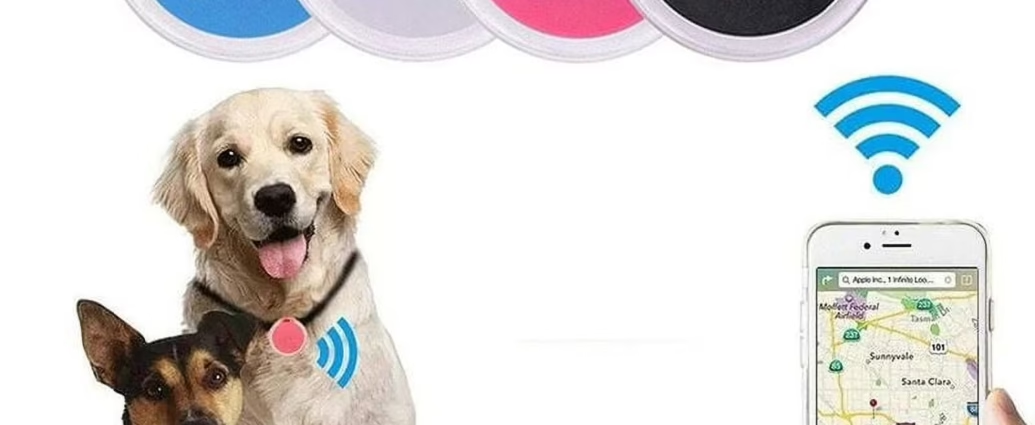
Most GPS dog tracker devices attach to your dog’s existing collar or come with their own strap. They use a combination of GPS satellites and cellular data (similar to a smartphone) to report your dog’s location to an app on your phone, usually updating every few seconds to a few minutes depending on the device and your subscription plan. Some budget models rely on Bluetooth instead of cellular, which is cheaper but only useful within a short range — fine for finding a dog hiding under the porch, not for a dog that’s run several blocks away.
A true pet GPS tracker with live cellular tracking will show your dog’s real-time location on a map, let you set “safe zone” boundaries that trigger an alert if crossed, and often log activity data like distance walked or time spent resting.
What to Look for in a Good Tracker
Real-time location accuracy. The best GPS dog tracker options update frequently and pinpoint location within a few meters, not a few hundred meters. Check reviews for accuracy complaints before buying.
Battery life. This is where many trackers disappoint. A device that needs charging every day isn’t practical for daily use. Look for a GPS dog tracker rated for several days of battery life under normal use, with a lower-power “check-in” mode that extends this further.
Waterproofing. Dogs get wet — in rain, mud, lakes, and puddles. A tracker without a solid waterproof rating won’t survive long term.
Size and weight. For smaller breeds, an oversized tracker can be uncomfortable or even unsafe. Check the manufacturer’s recommended dog size and weight range before purchasing any pet GPS tracker.
Subscription cost. Almost all cellular-based trackers require a monthly subscription for the data connection. Factor this ongoing cost into your decision, not just the upfront device price.
Escape and safe-zone alerts. A good GPS dog tracker should notify you the moment your dog leaves a designated area, not minutes later.
Pros and Cons
Pros:
- Fast recovery if your dog escapes or gets lost
- Real-time location data via smartphone app
- Safe-zone alerts add a layer of prevention, not just recovery
- Activity tracking can flag changes in behavior worth mentioning to your vet
- Peace of mind for anxious owners, especially with escape-prone breeds
Cons:
- Ongoing subscription fees for cellular-based models
- Battery life varies significantly between brands
- Bulkier trackers may not suit small or toy breeds
- Signal can be inconsistent in dense urban areas or remote regions with poor cellular coverage
Cellular vs. Bluetooth Trackers
This is the most important distinction when shopping for a pet GPS tracker. Cellular trackers work anywhere there’s signal, making them ideal for dogs that roam, hike, or live in homes without a fully secure yard. Bluetooth trackers are cheaper and require no subscription, but only function within a limited range of your phone — typically under 100 meters — making them better suited as a supplementary tool rather than a primary safety device.
If your dog has ever bolted after a squirrel, slipped a collar during a walk, or lives somewhere with a large or imperfectly fenced yard, a cellular-based GPS dog tracker is worth the subscription cost. If your main concern is simply not losing track of your dog in the backyard or a dog park, a Bluetooth tracker may be enough.
Real-World Considerations
A GPS dog tracker is a safety net, not a substitute for training or secure fencing. It won’t stop your dog from running off — it will help you find them faster if they do. Owners of high-energy or working breeds, sighthounds prone to chasing, and dogs with a history of escaping tend to see the most value from a dedicated pet GPS tracker.
It’s also worth checking how the app handles offline periods. Even the best GPS dog tracker will occasionally lose signal in dense woods, parking garages, or basements. Look for a “last known location” feature so you’re not left with a blank map at the worst possible moment.
Final Verdict
For most dog owners, a cellular-based GPS dog tracker with a multi-day battery, solid waterproofing, and safe-zone alerts offers the best balance of reliability and cost. Budget-conscious owners with low escape risk may do fine with a Bluetooth-only pet GPS tracker, but anyone with an adventurous, anxious, or escape-prone dog will likely find the subscription cost worth every dollar the first time it helps bring their dog home safely.