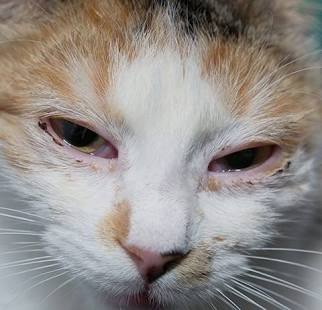
Observing a sudden change in your feline companion’s eyes can be concerning. If you notice your cat squinting one eye and discharge building up near the corner, it is important to pay close attention. Cats rely heavily on clear vision, and ocular discomfort usually signals an active underlying inflammation, infection, or mechanical injury.
When a cat squinting one eye and discharge becomes noticeable, avoiding delay is key. Eyeball tissues are delicate, and minor issues can escalate into serious vision threats without proper care.
Common Causes of Feline Eye Irritation and Discharge
To understand why your cat squinting one eye and discharge is happening, veterinarians categorize triggers into three primary areas:
1. Feline Conjunctivitis and Infections
Conjunctivitis—inflammation of the pink membrane lining the eye—is extremely common. Feline Herpesvirus-1 (FHV-1) and Chlamydia felis are primary culprits. These pathogens cause redness, swelling, and persistent tear production, leaving a cat squinting one eye and discharge ranging from watery to thick pus. Understanding different cat eye discharge colors helps identify the issue:
- Clear/Watery: Allergies, wind irritation, early viral infection
- Yellow or Green: Secondary bacterial infection requiring antibiotic drops
- Dark Brown/Crusty: Normal tear residue in light-colored breeds, or dried discharge from chronic tearing
2. Corneal Ulcers and Scratches
Cats love to play, explore, and occasionally scrap with household littermates. A simple scratch to the cornea causes intense pain. If a corneal scratch occurs, you will immediately see your cat squinting one eye and discharge as the eye waters constantly to heal the damaged surface.
3. Foreign Bodies and Trauma
Dust, loose fur, or small particles trapped under the third eyelid cause sharp discomfort. Evaluating cat swollen eye causes often reveals a trapped particle or blunt impact from a fall.
Triage Guide: Color and Severity Check
| Discharge Appearance | Common Triggers | Immediate Action |
| Clear & Fluid | Dust, minor irritation, early herpesvirus flare | Wipe gently with warm water, monitor 24 hours |
| Yellow / Thick Green | Bacterial infection, advanced conjunctivitis | Schedule vet visit for antibiotic ophthalmic drops |
| Blood-Tinged or Cloudiness | Corneal ulcer, deep trauma, glaucoma | Emergency Vet Visit required |
Effective Feline Eye Infection Treatment Steps
When seeking feline eye infection treatment, never use human eye drops or left-over medication from another pet. Human medicines can cause severe corneal damage or blindness in felines.
- Gentle Cleaning: Dampen a clean cotton ball with lukewarm water or sterile saline solution. Wipe softly from the inner corner outward.
- Prevent Pawing: Place an e-collar (cone) on your cat to stop them from scratching the irritated eye.
- Veterinary Diagnostics: A veterinarian will perform a fluorescein stain test to check for corneal scratches before prescribing targeted medications.
Summary
If your cat squinting one eye and discharge persists beyond 24 hours—or is accompanied by cloudiness, swelling, or lethargy—consult a veterinarian immediately. Prompt treatment protects your cat’s eyesight and ensures a fast, comfortable recovery.